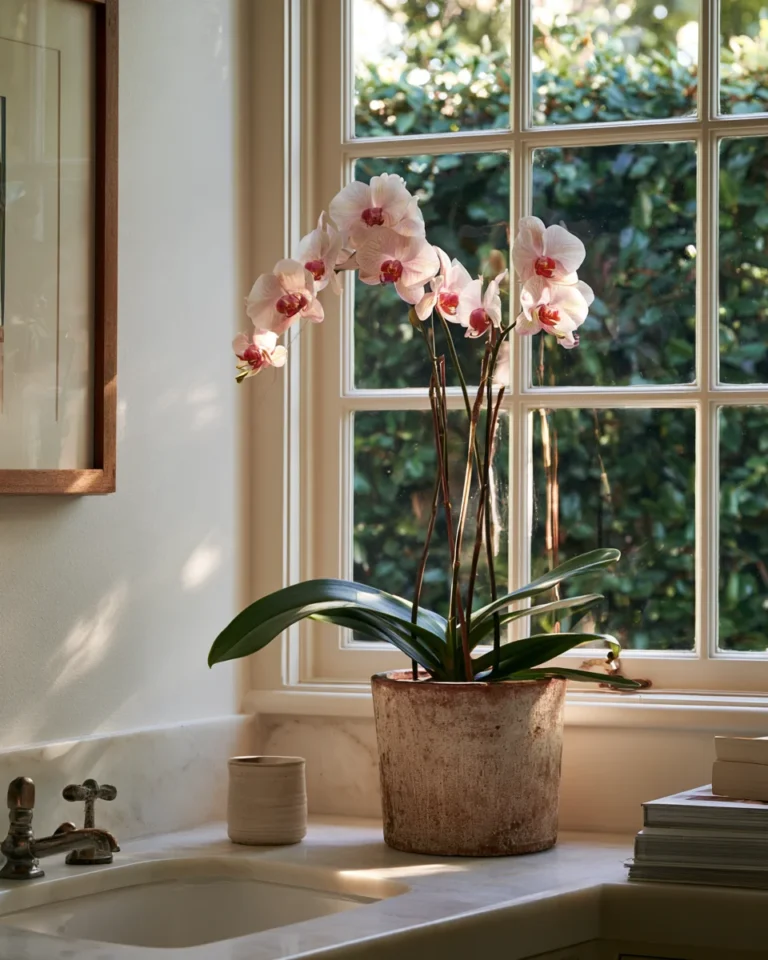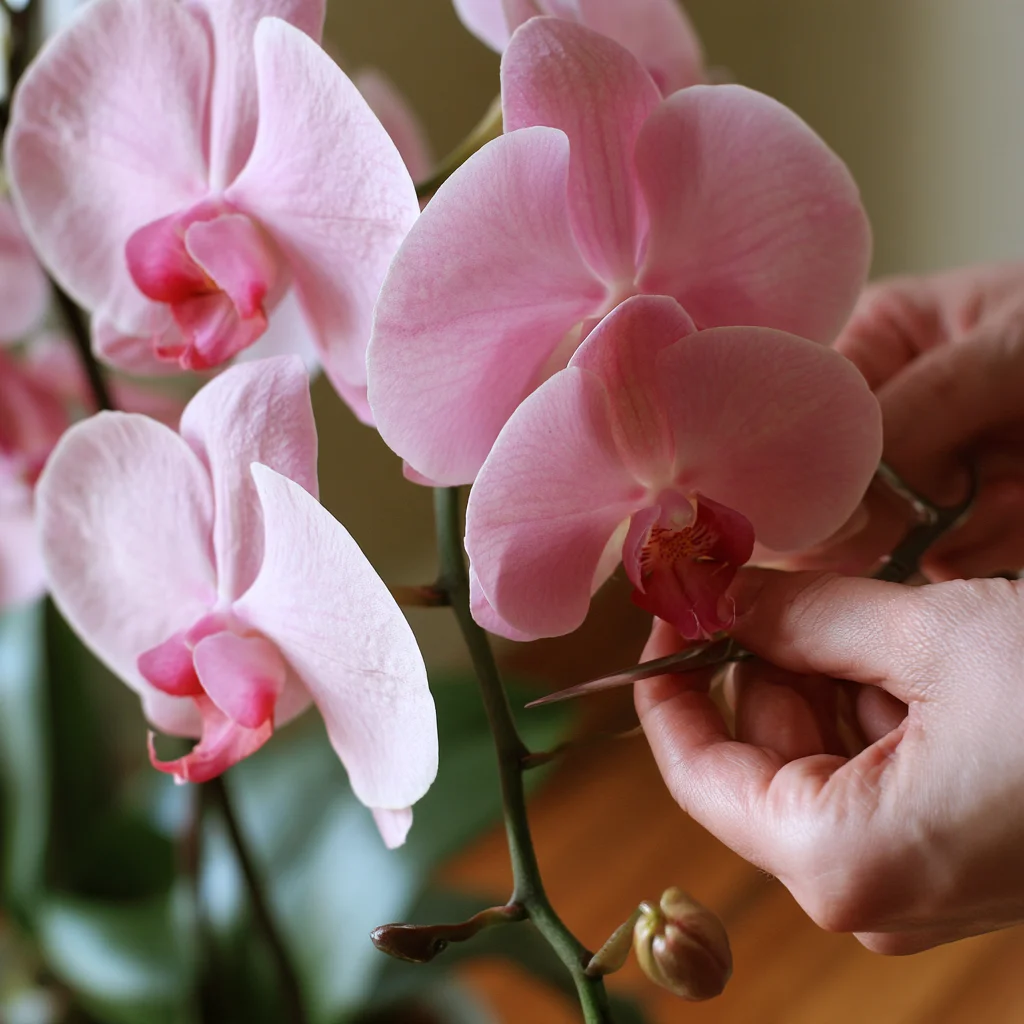
Before pruning flower spikes, determine whether the plant has completed a normal flowering cycle or is responding to stress. A natural finish usually begins with flowers that fade, wilt, or drop one at a time while the foliage remains firm and evenly colored. The plant should otherwise look stable, with no sudden leaf loss, soft spots, foul odors, or signs of insects and fungal disease.
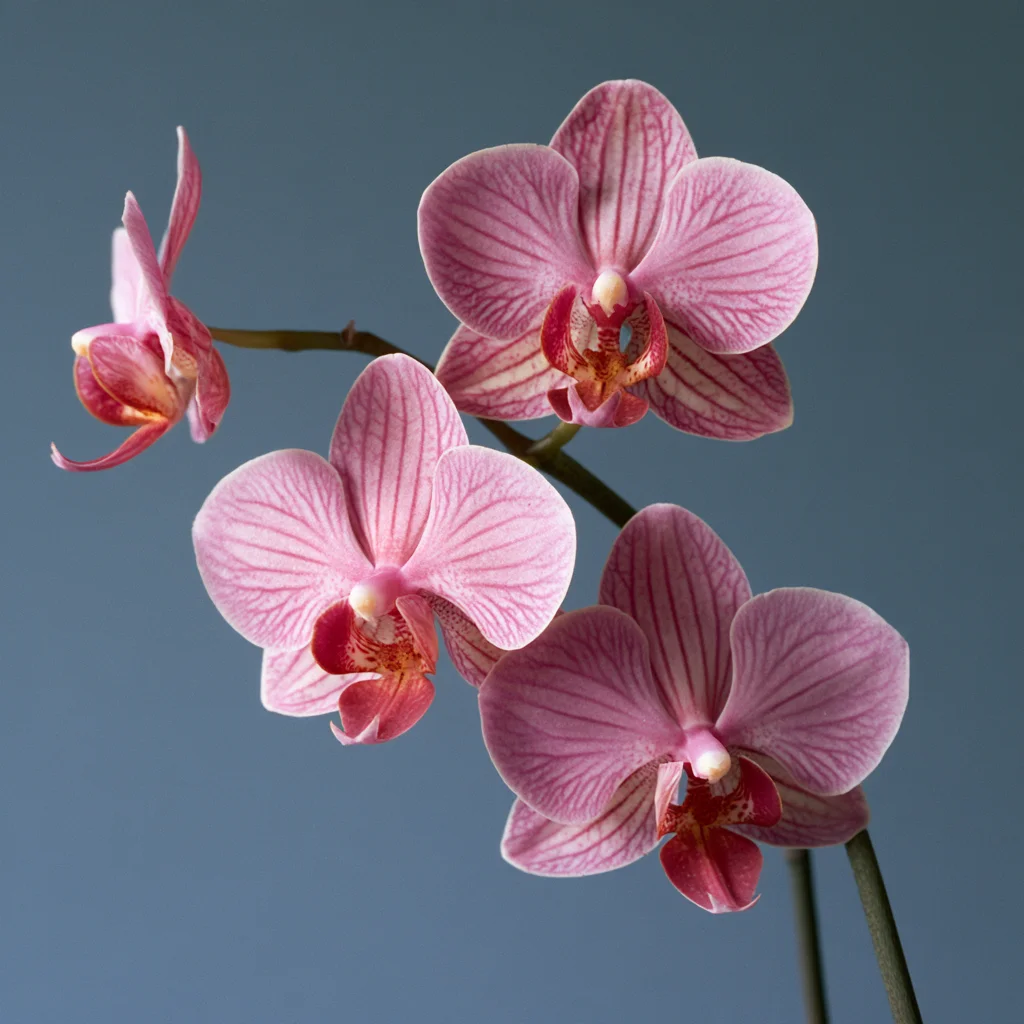
Examine the spike as well as the flowers. A green, firm spike is still living tissue and may contain dormant nodes capable of producing side branches or a second flush of blooms. On common reblooming orchids, especially Phalaenopsis, these nodes appear as small raised points beneath papery coverings. If the spike turns yellow or brown, becomes dry, or shrivels from the tip downward, it is no longer likely to flower again and can generally be removed with clean, sterilized scissors.
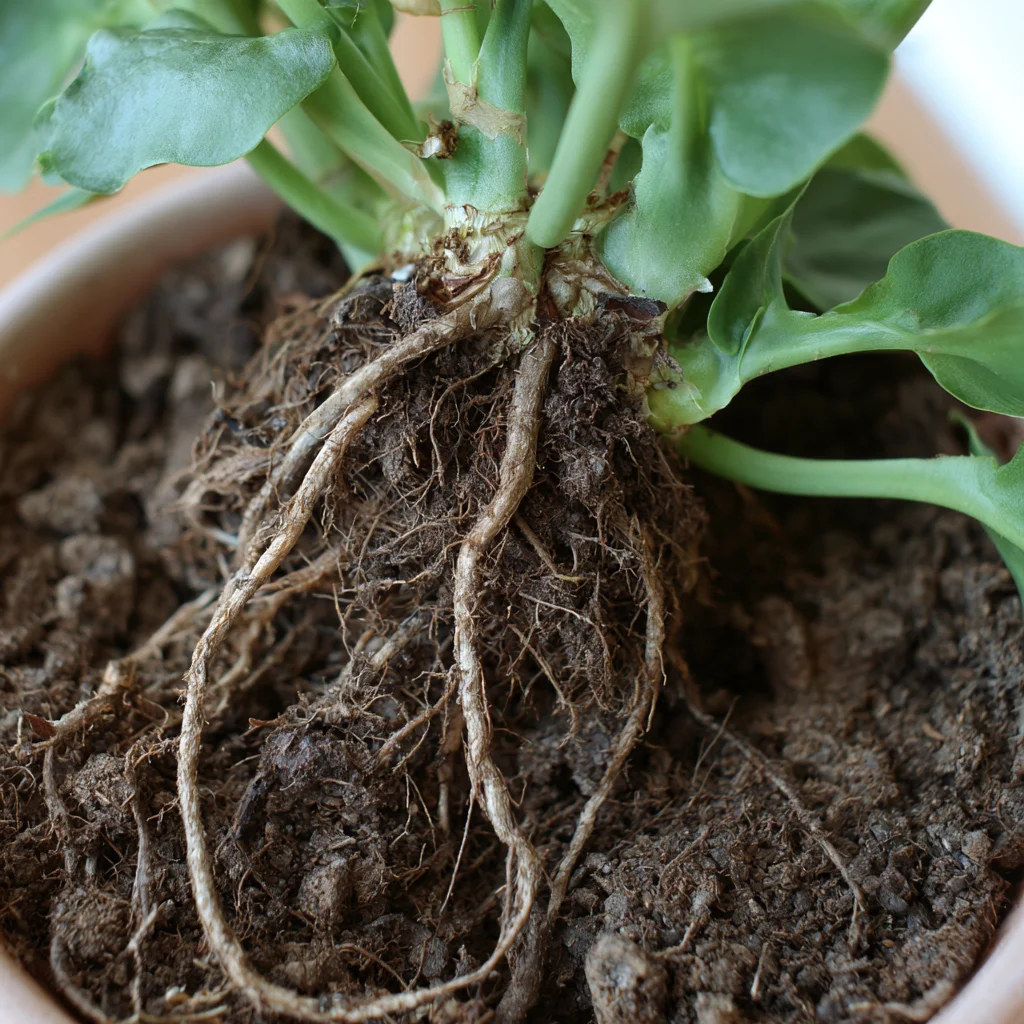
Healthy roots provide another useful indication. They should be firm rather than mushy, hollow, or blackened, and the leaves should have reasonable firmness and color. Check carefully for scale, mealybugs, webbing, lesions, and spreading discoloration before deciding that flower loss is simply part of the cycle. Prematurely dropped flowers, limp leaves, damaged roots, or rapid yellowing may point to dehydration, overwatering, temperature stress, insufficient light, or disease.
Pruning methods differ among plant types, so avoid applying an orchid technique universally. For a healthy Phalaenopsis with a green spike, a grower may trim above a dormant node, although reblooming can take time and is not guaranteed. A completely dry spike should be cut near its base so the plant can redirect energy toward roots and new leaves. Do not force another flowering cycle if the plant is dehydrated, recently repotted, losing leaves, or showing root damage. Recovery must come first; a second flush is a possibility, not an obligation.
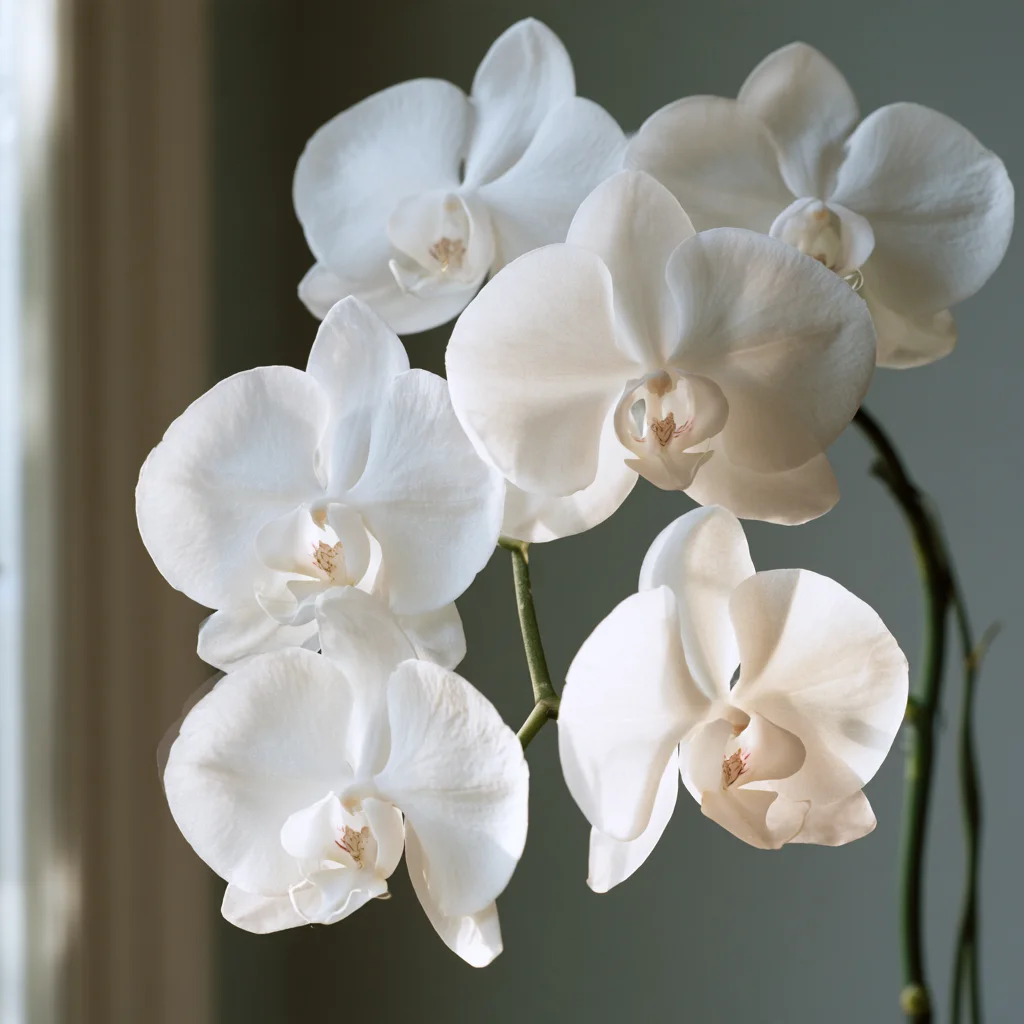
Before pruning a flower spike, assemble the supplies needed to make a clean, controlled cut. Sharp bypass scissors or fine pruning shears are preferable because their blades pass one another and produce a precise cut without crushing the stem. Keep rubbing alcohol or another plant-safe disinfectant nearby, along with clean gloves and a stable, well-lit workspace. A firm table prevents the pot from tipping and helps you position the spike accurately while protecting the plant from accidental damage.
Disinfect the cutting blades before using them. Wipe or dip the blades in rubbing alcohol, then allow them to dry before making the first cut. If several plants are being handled, sterilize the blades again between plants. This simple step reduces the chance of transferring fungal or bacterial problems from one plant to another. Gloves should also be clean, particularly when working with more than one plant or when a specimen shows signs of disease. Do not use tools that are dull, rusty, or coated with plant residue.
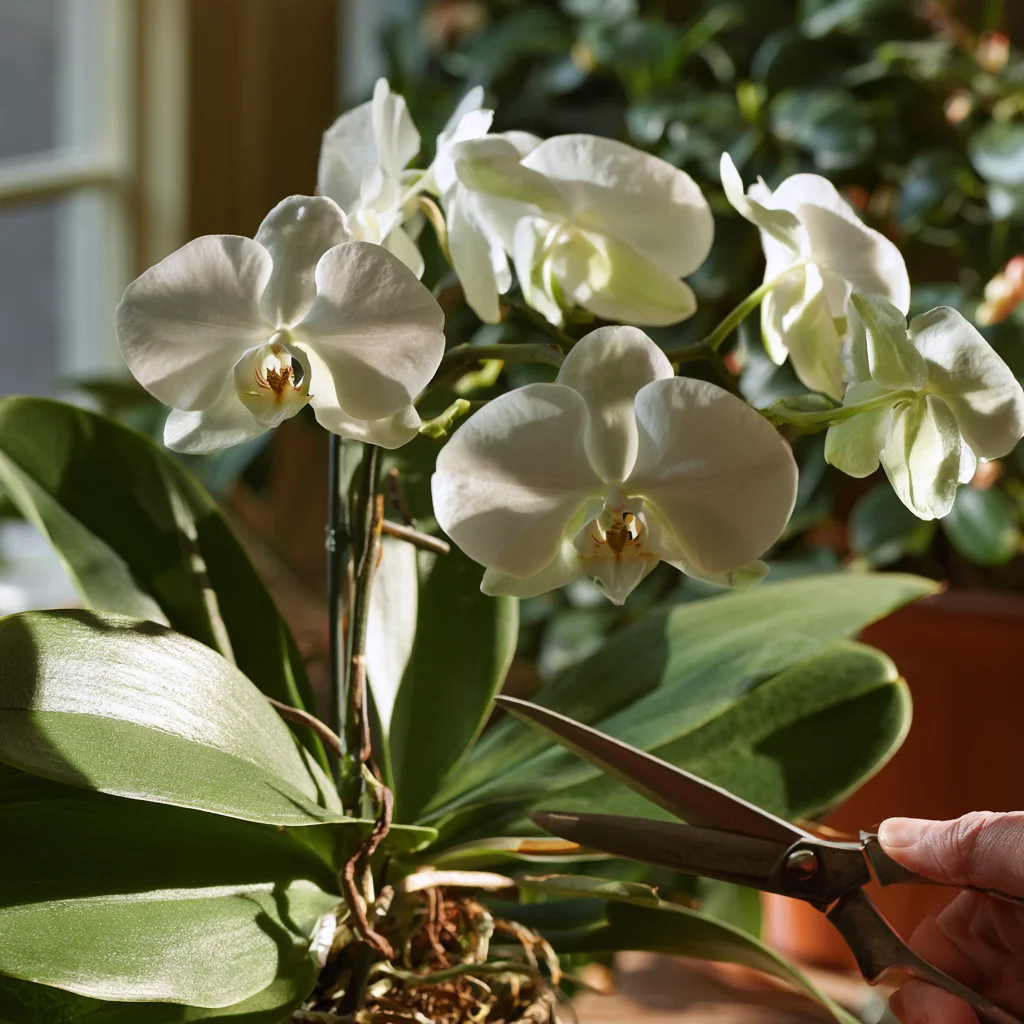
Perform a brief health check before pruning. Examine the leaves for unusual spotting, yellowing, wilting, pests, or soft areas, and inspect the crown for discoloration or rot. Check visible roots and the potting medium for foul odors, persistent saturation, or decay. Also consider the plant’s growing conditions, including light, temperature, humidity, and recent changes in care. The plant should be adequately hydrated, but the medium should not be waterlogged. Postpone cutting if the crown is wet or if the plant is experiencing severe stress, such as extensive dehydration, active rot, or sudden environmental shock.
Finally, examine the green flower spike closely. Nodes appear as small bumps, ridges, or protective bracts arranged along its length, often spaced at regular intervals. Each node is a potential site for a new lateral branch or flower stem. Identifying these points before cutting allows you to choose a suitable node and leave enough healthy spike above it for possible reblooming. A firm green spike may respond to this treatment, whereas a completely brown, dry spike generally has no viable nodes and should be removed at its base.
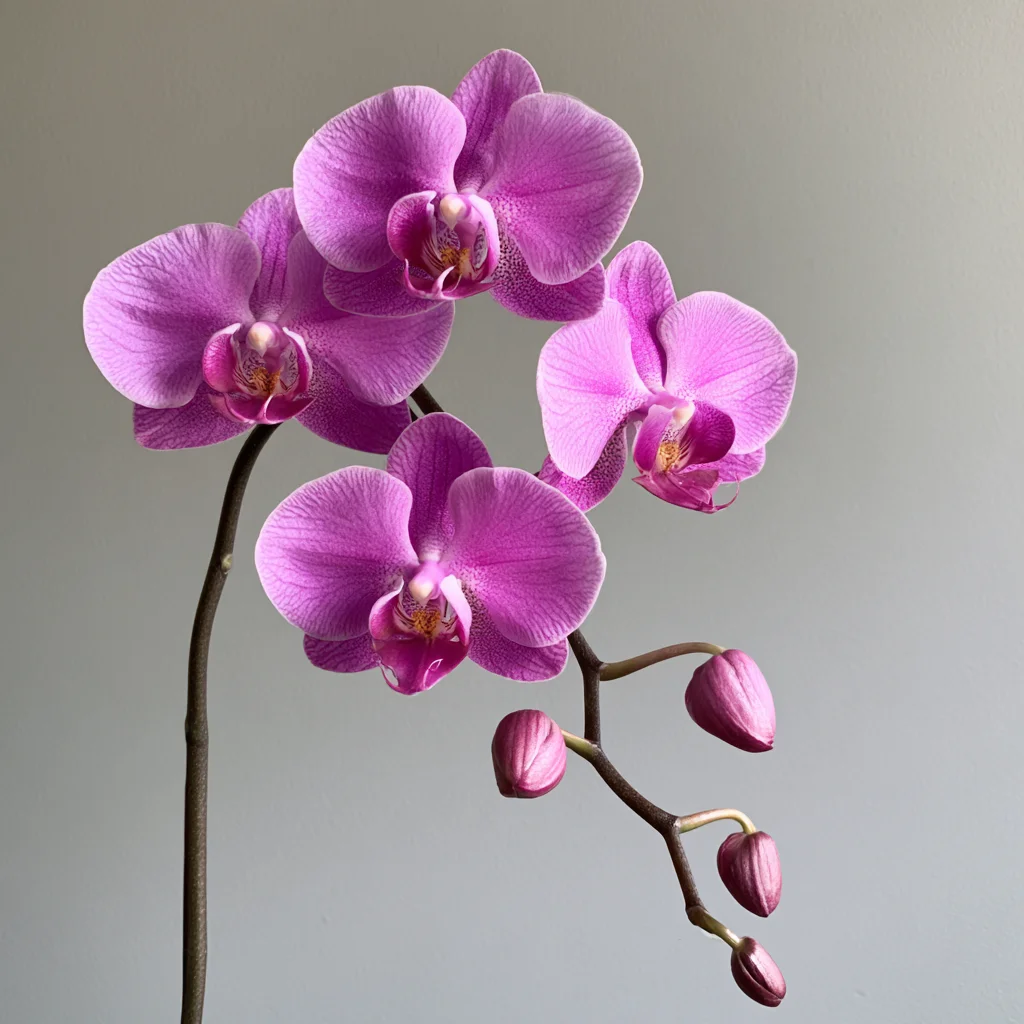
Begin by examining the flower spike closely and deciding whether it is still alive. A healthy spike is usually firm and green, with visible nodes that appear as slight bands or bumps along the stem. In this case, retain the lower section and make the cut approximately 1 to 2 centimeters above a strong, dormant node. Many growers select the second or third node from the base, while others choose the node directly beneath the last spent bloom. Either position can encourage the plant to direct stored energy toward a new growth point.
Use clean, sharp pruning scissors or a sterilized blade to make a smooth, slightly angled cut. Removing the upper portion may stimulate a side branch or another flowering stem from the selected node, but reblooming is not guaranteed. The plant may remain dormant, produce only leaves, or develop a smaller side branch rather than a complete new spike. Choosing a firm, healthy node gives the best opportunity while avoiding excessive cutting. Do not remove healthy leaves, roots, or any part of the crown merely to improve appearance, because these structures support recovery and future flowering.
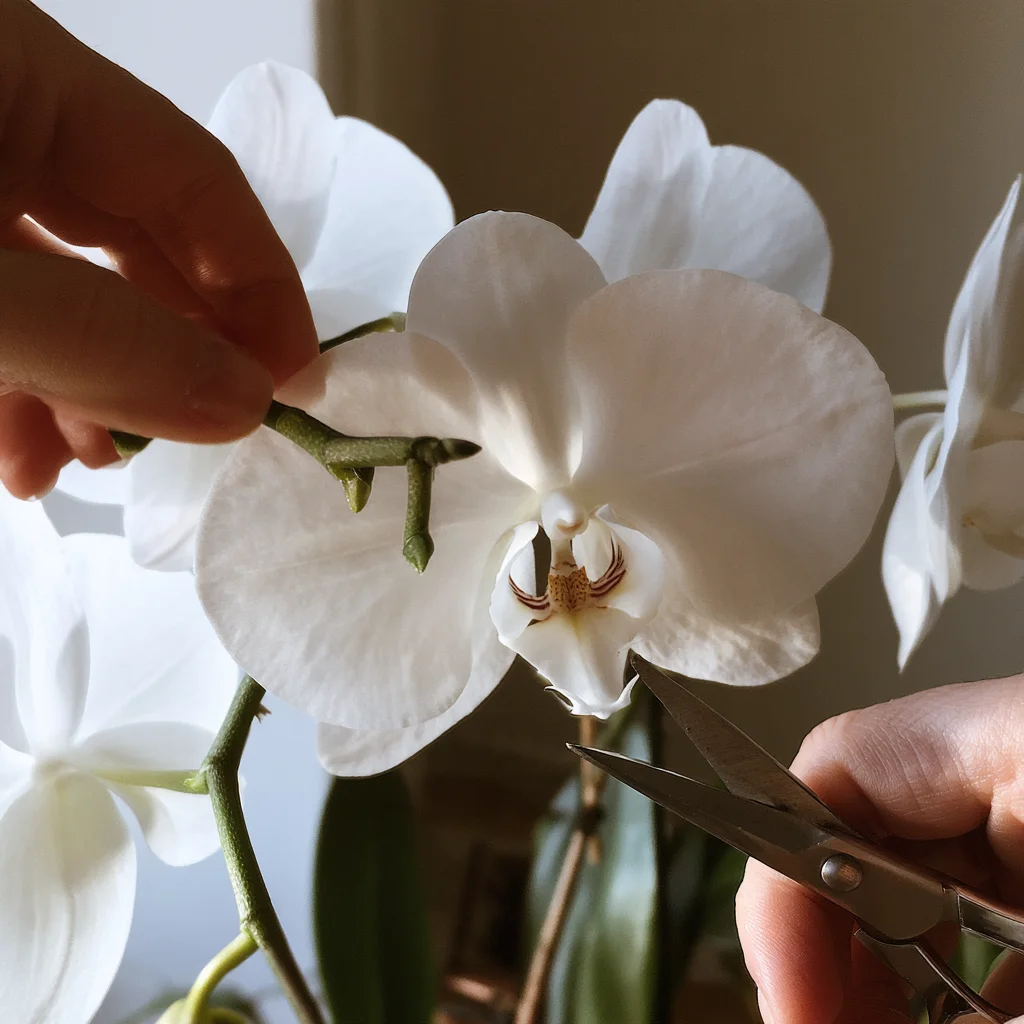
A spike that is brown, yellow, hollow, brittle, or completely dried has already lost its ability to produce another flush of blooms. Cut this type of stem near the plant’s base, taking care not to nick nearby leaves or the crown. Leave only a short, unobtrusive section if removing the stem completely would risk damaging the plant. Weak, unusually thin, badly damaged, or diseased spikes may also be better removed entirely, even if they retain some green tissue. After each cut, inspect the plant for soft or discolored areas and disinfect tools before working on another plant. This two-choice approach—cutting above a viable node on a healthy stem or removing a dead one at the base—keeps pruning purposeful and limits unnecessary stress.
After a flower spike has been trimmed, place the plant in bright, indirect light so it has enough energy to produce new growth without exposing tender leaves to scorching rays. A stable temperature also supports recovery. Where appropriate, allow a modest difference between daytime and nighttime temperatures, since this pattern can encourage flowering in some plants. Keep the surrounding air gently moving, but avoid cold drafts, heating vents, strong fans, and excessive heat. Sudden environmental changes can stress the plant and delay the development of a new spike.
Water only when the potting medium is approaching dryness rather than following a rigid calendar. When watering, moisten the medium thoroughly, then allow all excess water to drain from the pot before returning it to its saucer or display container. Do not allow water to remain trapped in the crown or leaf joints, where it may encourage rot. During active growth, a balanced fertilizer diluted to about one-quarter or one-half of the label strength can provide useful support. Apply it only to an already moist root system, and reduce or pause feeding when growth slows. Excess fertilizer can damage roots and promote abundant leaves at the expense of flowers.
Patience is an essential part of post-pruning care. A replacement branch or flower spike may take several weeks or even several months to appear, depending on the plant’s health, season, and natural growth rate. If no rebloom develops, reassess the light level first, then inspect the roots for signs of rot, dehydration, or overcrowding. Consider whether temperatures provide the pattern required by the species, whether the plant is mature enough to flower, and whether it naturally blooms only once per season. Some plants simply need a longer recovery period after flowering. Allow healthy growth to remain intact and give the plant time to rebuild its energy reserves rather than repeatedly cutting stems in pursuit of immediate flowers.