
Rare Orchids
The captivating realm of rare orchids presents a unique fascination for plant enthusiasts and collectors alike. Defining a rare orchid can be multifaceted, encompassing limited availability, specific environmental requirements, and exceptional beauty that sets them apart from more common varieties. These orchids are often characterized by their distinct morphological features, intricate color patterns, and unique floral structures, which contribute to their desirability among both casual hobbyists and serious collectors.
Orchids, as a diverse genus, encompass an astounding range of species—over 25,000—making it one of the largest flowering plant families. Within this vast array, certain orchids emerge as particularly rare due to factors such as their restricted geographic distribution or their demanding growing conditions. For example, some species may only thrive in specific altitudes or climates, rendering them scarce in regions outside their native habitat.
The allure of rare orchids also stems from their remarkable beauty. Many possess striking colors and intricate patterns that can evoke admiration and wonder. These visual attributes, combined with the complex care regimens often required to cultivate them successfully, enhance their appeal and intrigue. Collecting rare orchids is not merely a hobby; it can also be a form of art and dedication, as enthusiasts often engage in extensive research to ensure the survival and propagation of these delicate species.
In addition to their aesthetic qualities, rare orchids often carry significant ecological importance. As part of their native ecosystems, they can play vital roles in sustaining local biodiversity. By understanding and appreciating rare orchid varieties, collectors contribute to their preservation and can help in conservation efforts to prevent extinction. The journey into the world of rare orchids is undeniably enriching, merging horticultural passion with ecological responsibility.
Types of Rare Orchids
Rare orchids have long fascinated botanists and enthusiasts alike due to their exquisite beauty and often challenging cultivation requirements. Among the myriad types of rare orchids, several species stand out as particularly unique or hard to find. This section will explore some of these extraordinary varieties in detail, covering their native habitats, distinct physical characteristics, and unique growing conditions.
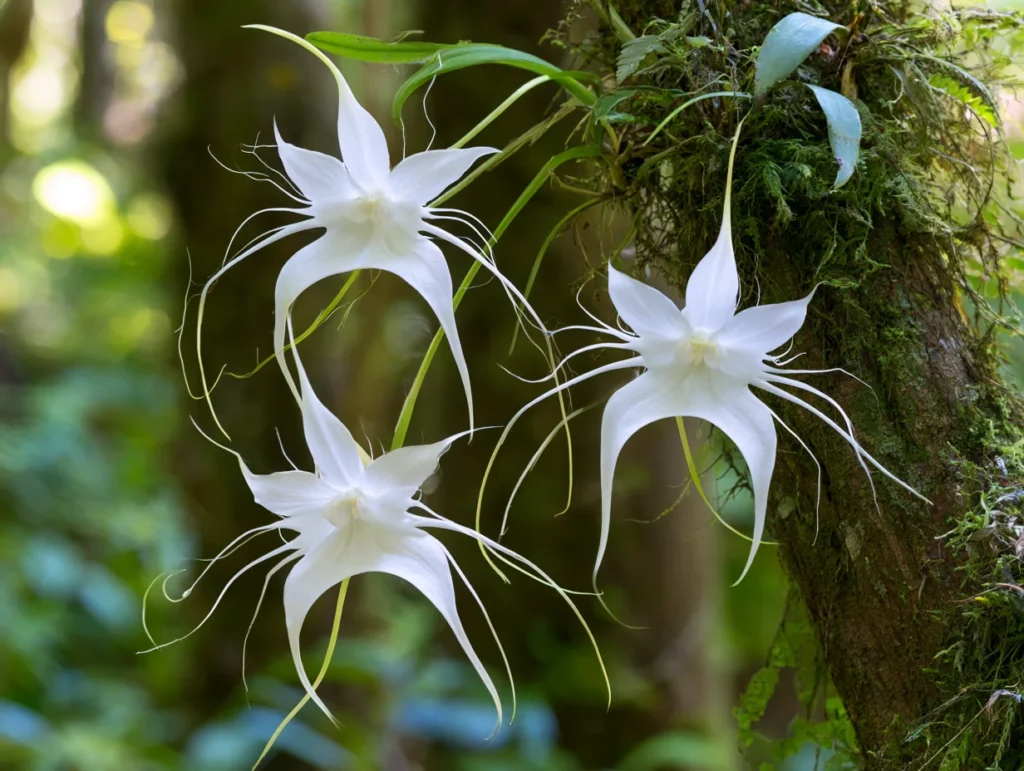
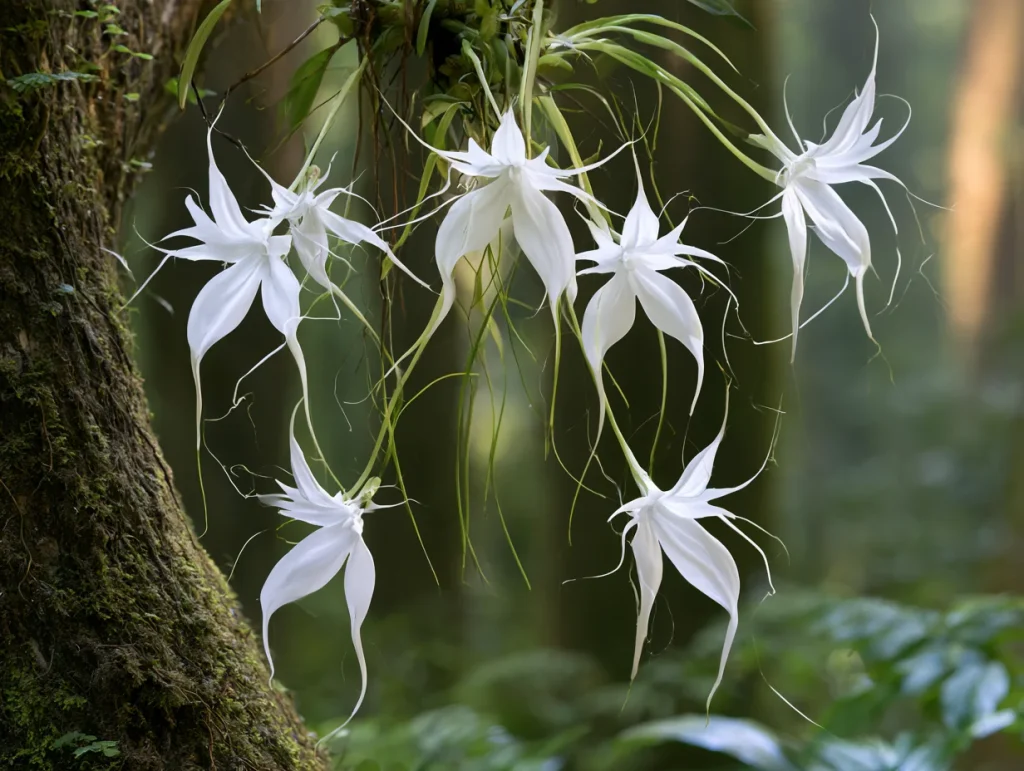
One of the most renowned rare orchids is the Ghost Orchid (Dendrophylax lindenii), famous for its elusive nature and delicate white blooms that seem to float in mid-air. This species is primarily found in the swamps of Florida and Cuba, growing on the trunks of trees in highly humid environments. Its ghost-like flowers emit a sweet fragrance at night, attracting specific pollinators such as the Giant Sphinx moth, which plays a crucial role in its reproductive cycle.
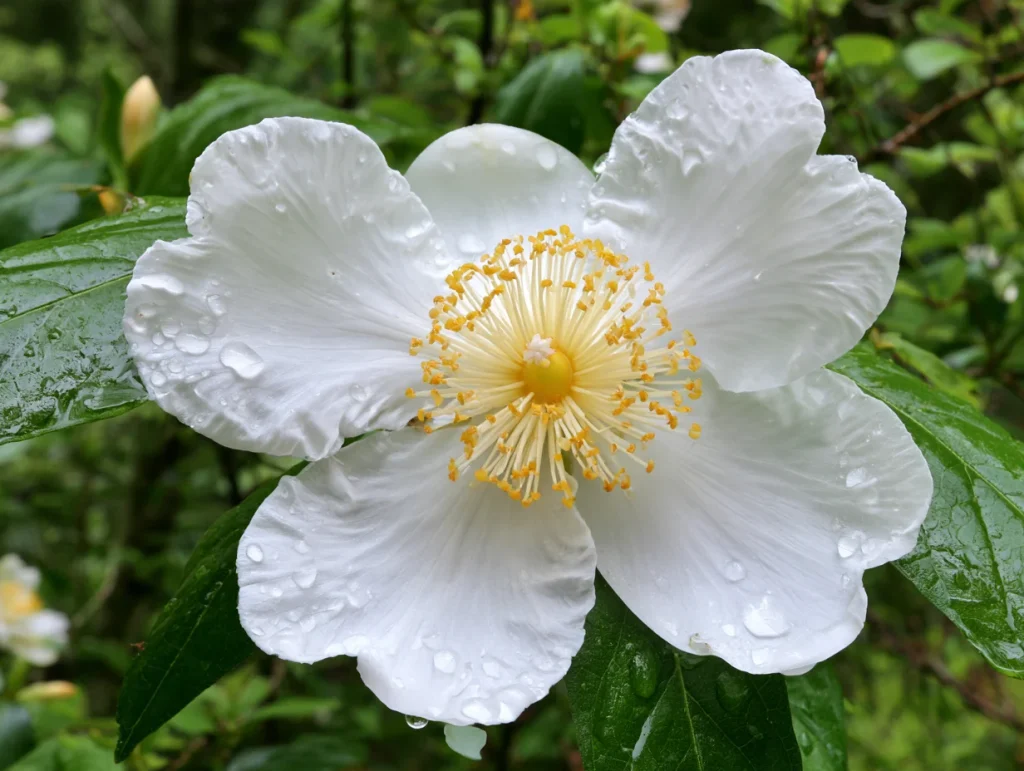
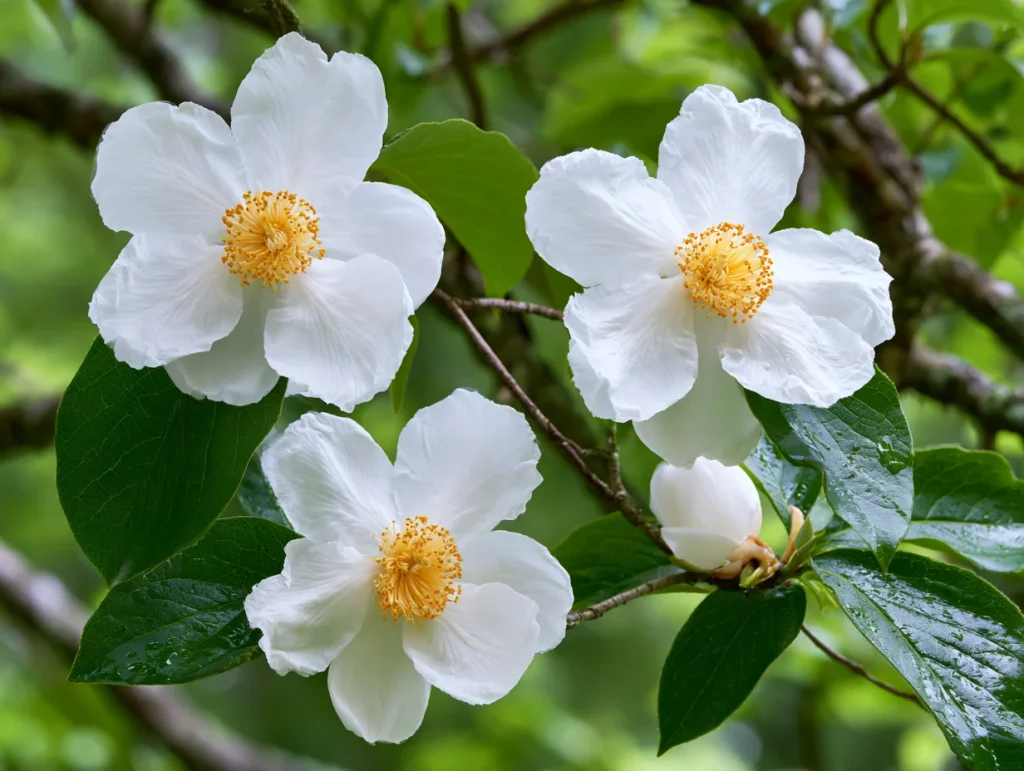
The Franklinia alatamaha, although more known as a plant than an orchid, shares a symbiotic association with specific orchids. Once abundant in its native Georgia, it is now extinct in the wild. Cultivating such orchids can be intricate, requiring precise temperature and humidity control to mimic their original habitats, often leading to challenges in propagation.
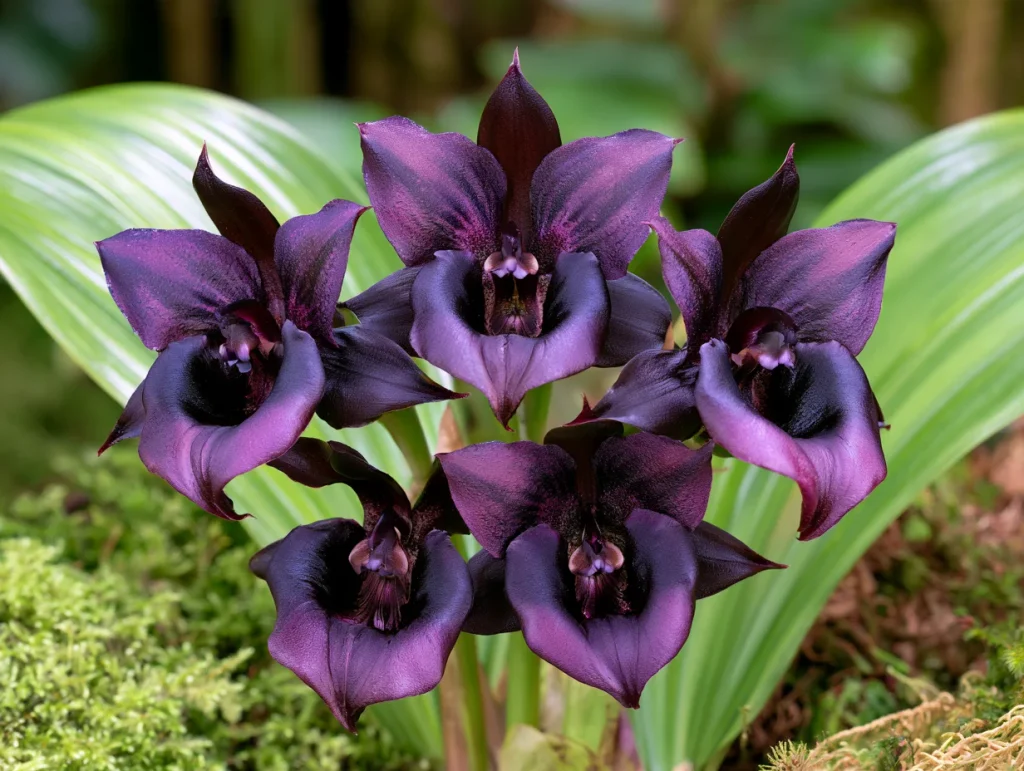
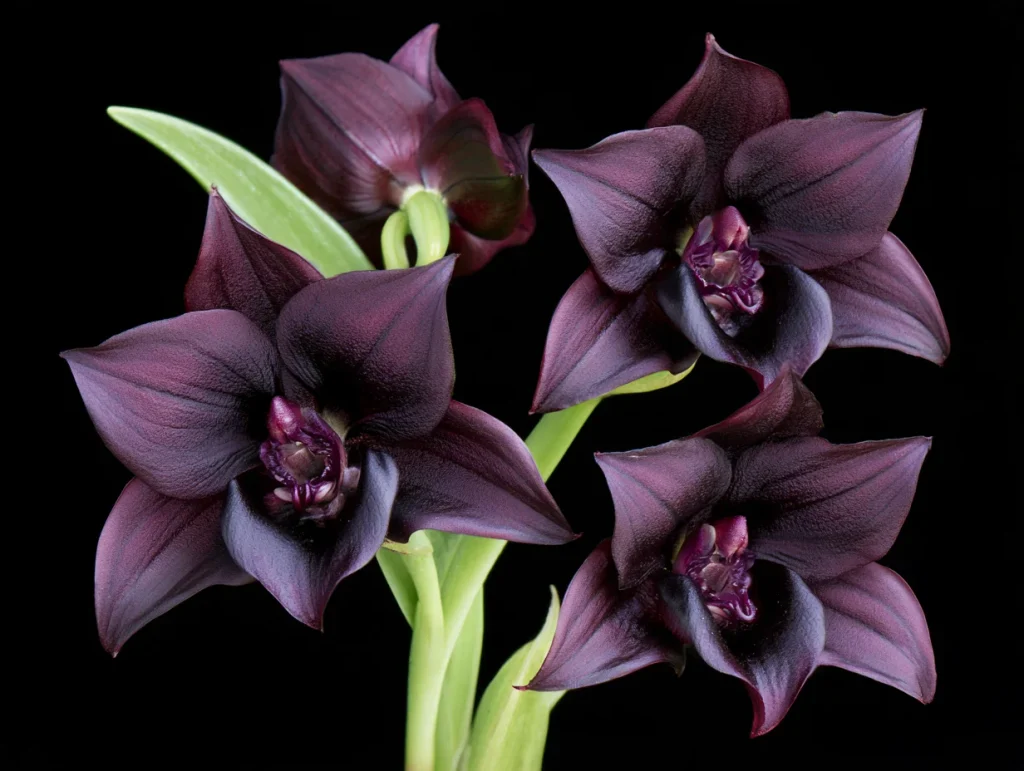
Another exceptional species is the Black Orchid (Catasetum macrocarpum), known for its striking deep purple to nearly black flowers. Native to Central American rainforests, this orchid thrives in warm, humid conditions with distinct wet and dry seasons. Its unique coloration and velvety texture set it apart from more common varieties, making it a sought-after specimen among collectors.’
To cultivate rare orchids successfully, growers must keenly understand their specific habitat requirements. This includes knowing the right balance of light, moisture, and temperature for optimal growth. Each rare orchid species has adapted to its environment, leading to a multitude of variations in appearance and cultivation needs. As such, enthusiasts must approach each species with patience and dedication to unlocking the full potential of these captivating plants.
Conservation Challenges Facing Rare Orchids
Rare orchids are among the most exquisite and sought-after plants in the horticultural world, yet they face numerous challenges that threaten their survival. One of the primary threats to these remarkable species is habitat loss. As urban development expands and natural habitats are converted for agricultural purposes, many orchids find their environments fragmented, limiting their chances of survival. Wetlands, forests, and grasslands that once supported diverse orchid populations are being diminished, resulting in an alarming decrease in their numbers.
Climate change further exacerbates the situation for rare orchids. Changes in temperature and precipitation patterns can alter the delicate ecosystems in which orchids thrive. Many species are highly specialized, relying on specific environmental conditions. The shifting climate may disrupt pollination processes, reduce the availability of nutrients, or even lead to increased susceptibility to pests and diseases. This volatility creates an added layer of complexity to the already precarious existence of rare orchids.
In addition to habitat loss and climate change, illegal poaching poses a significant risk. The allure of rare orchids has led to a black market in which these plants are unlawfully harvested and sold. Poaching can decimate local populations and may lead to the extinction of certain species in the wild. Conservation organizations are increasingly working to stem this tide, implementing protective measures and lobbying for stricter regulations against illegal trade.
Efforts to conserve rare orchids include habitat restoration projects, captive propagation, and community education programs. Many conservation groups focus on restoring natural habitats to ensure that orchids can flourish once again. Captive breeding programs aim to preserve genetic diversity, allowing for the reintroduction of rare species into their native habitats. Individuals can contribute to these efforts by supporting conservation initiatives, volunteering for restoration projects, and being vigilant against the unlawful collection of wild orchids.
Caring for Rare Orchids
Successful cultivation of rare orchids requires a thorough understanding of their specific care requirements, ensuring they thrive in a home environment. Different orchid species possess unique features that dictate the ideal conditions in which they flourish. For instance, many rare orchids prefer well-draining potting mediums, such as bark or sphagnum moss, to avoid water retention that could lead to root rot.
Light exposure is crucial; most rare orchids thrive in bright, indirect sunlight. Direct sunlight can scorch the leaves, while too little light can hinder growth and flowering. A south or east-facing window often provides an optimal location for these delicate plants. Furthermore, maintaining a stable temperature range is essential. Most orchids prefer temperatures between 65°F and 75°F during the day and slightly cooler at night. Temperature fluctuations should be minimized to ensure plant health.
Watering is another vital component of orchid care. Generally, rare orchids should be watered every one to two weeks, depending on the humidity and the specific needs of the species. It is important to let the potting medium dry out slightly between watering to prevent excessive moisture. Ensuring good air circulation around the plants helps maintain humidity levels without creating a damp environment conducive to mold or fungal issues.
Feeding rare orchids requires careful attention to their nutrient needs. A balanced orchid fertilizer can be applied every couple of weeks during the growing season, but supplementing during dormancy is not advisable. This tailored feeding approach supports healthy growth and vibrant blooms.
Finally, it is crucial to be vigilant about pests and diseases that can threaten rare orchids. Common issues include aphids, mealybugs, and fungal infections. Regular inspection and maintaining hygiene practices, such as cleaning leaves, can help to keep these delicate plants healthy. By understanding these essential care requirements, orchid enthusiasts can cultivate a thriving collection of rare orchids at home.